

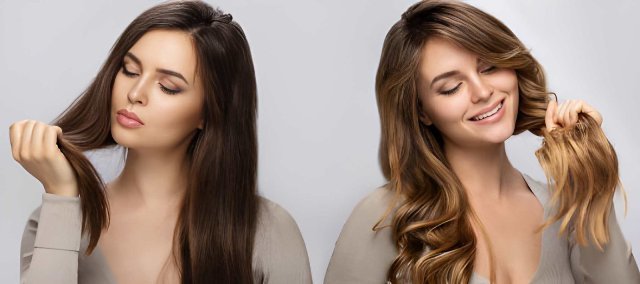
If your summer hair color feels too bright now that the light is changing, you don’t need a full re-dye. You need a transition plan. Cooler-weather habits play a role in that shift: many people switch to hotter water once temperatures drop, and hot water speeds up color fade. The right move usually adds depth without stripping out everything you just spent the summer building.
Key Takeaways
- Fall color usually means adding depth back into summer brightness, not starting over
- Root and mid-length toning is often enough, and a full re-color isn’t always necessary
- Warm, spiced tones (auburn, caramel, chestnut) are trending for early autumn, September to October
- Cooler, drier fall air changes how color-treated hair behaves, so aftercare matters more, not less
- Budget in ranges: a toning appointment costs far less than a full re-color
- Climate affects timing: a milder UK autumn allows more flexibility than a colder northern US one
- Not every summer shade needs a fall update; some simply need a gloss refresh
Why Hair Color Needs to Change from Summer to Fall
Summer color is built for bright light and sun exposure: think diffused highlights, glassy blondes, or sun-kissed balayage that looks good against tanned skin and long daylight hours. Once the light softens and skin tone fades from summer color, the same shade can start to look flat or slightly harsh. The warm, yellow undertones naturally present in blonde hair also tend to become more noticeable as the season cools, which can leave the color looking brassier or more yellow than it did over summer.
The fix isn’t usually a new color. It’s depth. Colorists interviewed by WWD and Marie Claire both describe fall color work as adding warmth and dimension back into an existing base rather than replacing it, working chestnut, mocha, or caramel through the mid-lengths while keeping more color close to the root.
A Real Transition: Light Blonde to Deep Chestnut
In our own family, this exact transition happened this year: light golden honey blonde over summer, moved to a dark chestnut/deep chocolate brown for fall. A few things from that experience are worth passing on, because they apply regardless of where you’re having it done.
This was done in a salon rather than at home, and that wasn’t optional — going from a light base to a significantly darker tone needs a colour filler applied first, or the result comes out patchy and uneven rather than a clean, even brown. A colorist matching the filler to the target tone is doing something a box dye at home can’t reliably replicate. The appointment itself ran close to three hours, which is normal for this specific direction of change. Light-to-dark with a filler step takes longer, and costs more, than a same-direction gloss or toner. It sits toward the higher end of the all-over color change range covered in the pricing section below, not the toner-only end.
The color held rich and glossy for roughly six to eight weeks. After that point, regrowth became the visible issue rather than fading of the tone itself, because the natural base underneath was so much lighter than the new colour, the roots read as a sharper contrast line than they would on a smaller colour change. That’s a specific trade-off worth knowing before booking a similarly dramatic shift — the more contrast between your natural base and the target shade, the sooner root regrowth will show, even if the mid-lengths and ends still look great.
The other lesson from that appointment: switching to a sulfate-free shampoo afterward made a noticeable difference to how long the depth of colour lasted, which matches what colorists say generally about sulfates stripping tone faster on chemically treated hair.
Transitional Hair Color Ideas by Starting Shade
If You Went Blonde for Summer
Bright, cool, or platinum-leaning blondes tend to move toward richer, warmer golds and honey tones for fall. A base bump or a root shadow, where the colorist blends a slightly deeper tone into the root, softens the transition without a full re-color. Honey blonde and toasted blonde are two of the most commonly cited fall directions for anyone starting from a summer blonde.
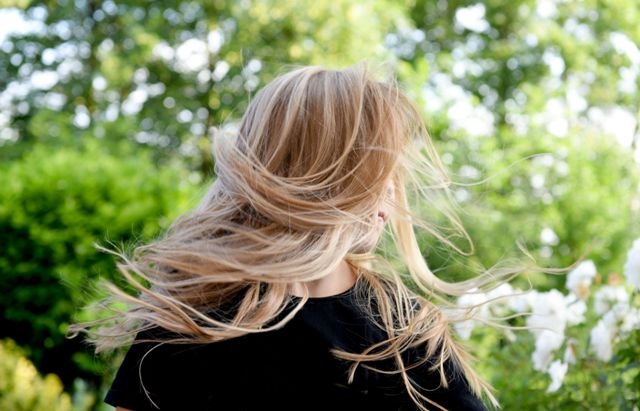
If You Did Balayage or Highlights
Balayage doesn’t need to be undone for fall. It needs contrast reduced. Colorists describe “melting” bright pieces back into the base with a gloss or a low-lift color, which keeps the dimension but removes the stark stripe effect that reads as summer-specific.
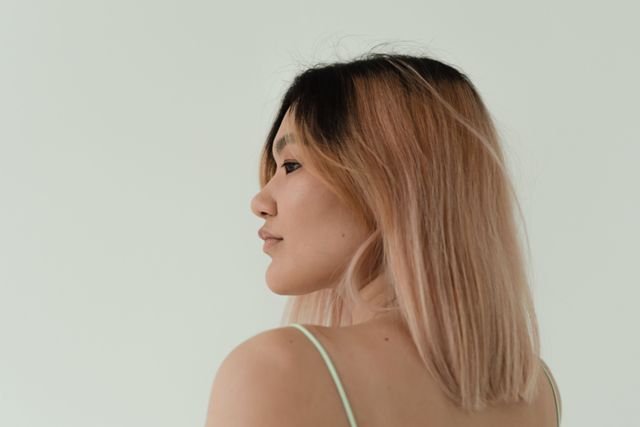
If You’re Naturally or Currently Brunette
This is where the season’s spiced tones show up most: cinnamon, chestnut, and what some colorists are calling “smoked suede” shades. These read as darker and richer without going flat or one-dimensional.
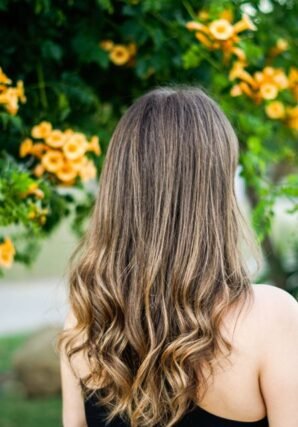
If You Have Red or Copper Tones
Red is arguably the easiest color to carry from summer into fall, since warm coppers already suit the season. The main adjustment is depth, moving from a bright copper toward a deeper auburn or a spiced cinnamon tone as the weeks get cooler.
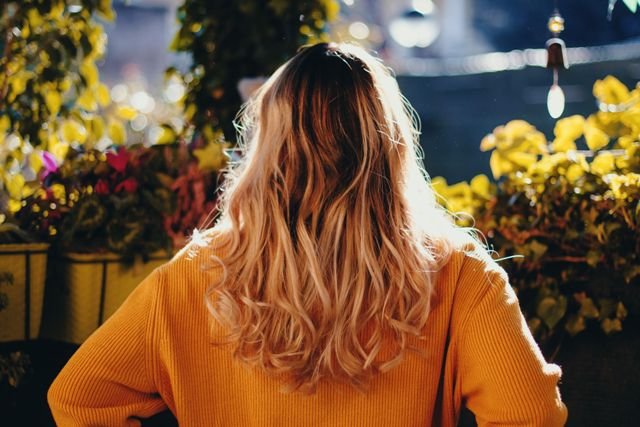
Summer Shade vs. Fall Adjustment: Quick Comparison
| Summer Shade | Fall Adjustment | Typical Service |
|---|---|---|
| Bright/platinum blonde | Honey or toasted gold tone | Root shadow, toner |
| High-contrast balayage | Melted, low-contrast blend | Gloss, low-lift color |
| Light brunette/bronde | Chestnut or espresso depth | All-over or root color |
| Bright copper/red | Spiced auburn or cinnamon | Root touch-up, gloss |
Match Your Fall Shade to Your Skin Undertone
Starting shade matters, but undertone decides whether a fall color actually flatters. A quick way to check: look at the veins on your inner wrist in natural light. Green-looking veins usually mean a warm undertone; blue or purple usually mean cool; a mix of both usually means neutral.
| Skin Undertone | Fall Shades That Tend to Flatter | Shades to Approach Carefully |
|---|---|---|
| Warm | Honey blonde, caramel, chestnut, spiced auburn | Very ash or cool-toned blondes, which can look washed out |
| Cool | Ash brown, cool espresso, deep burgundy | Bright copper or golden tones, which can clash |
| Neutral | Most fall shades work: chestnut, toasted blonde, soft auburn | Very saturated, single-note colors that override natural balance |
What It Costs: Single Visit and Full Season
Pricing varies enormously by region, salon tier, and hair length, so treat these as rough bands rather than quotes. Here’s what a single visit typically runs:
- Toner or gloss only: roughly $40–$80 / £30–£60 (around 45 minutes)
- Root shadow or root melt: roughly $75–$150 / £55–£110
- Full balayage refresh: roughly $150–$350 / £100–£250
- All-over color change: roughly $100–$250 / £70–£180 (around 3 to 5 hours)
What It Actually Costs Over a Fall Season
Instead of comparing single visits, it helps to compare a full fall stretch: roughly 12 weeks, September through November.
| Maintenance Style | Visits in 12 Weeks | Estimated Total (US) | Estimated Total (UK) |
|---|---|---|---|
| Gloss refresh every 6 weeks | 2 | $80–$160 | £60–£120 |
| One full re-color, no refresh | 1 | $100–$250 | £70–£180 |
| Full re-color + one gloss touch-up | 2 | $140–$330 | £100–£240 |
The gloss-only route costs less over the season in most cases, and spreads the chemical processing out rather than concentrating it in one visit, which matters most for hair that was already lightened over summer.
Caring for Color-Treated Hair as the Weather Changes
Cooler, drier autumn air, especially in a northern US climate with early indoor heating, pulls moisture out of hair faster than a milder UK autumn does. Color-treated hair is already more porous, and dermatologists note that dry air is a good reason to stretch out time between chemical touch-ups, so the combination can leave ends feeling rough within a few weeks of a change in weather.
A fabric note worth carrying over from styling: color-treated hair behaves differently against wool and synthetic scarves and hats than it does against cotton or silk, since rougher fibres can catch on lifted cuticle and cause extra frizz or static, especially on freshly lightened pieces.
A few weeks or washes in, blonde or balayage color often starts to look flat and yellow or brassy near the roots, with an orange undertone creeping in, while the areas closest to where bleach was previously applied can start to feel rougher and drier than the rest of the hair.
Practical steps that hold up across both climates:
- Space out clarifying shampoo use, since it strips color faster than a color-safe formula
- A weekly deep conditioner or gloss treatment maintains tone between salon visits
- UV protection spray still matters into early autumn, September to October, when sun exposure remains meaningful in both the US and UK
- Lower the water temperature when washing, since hot water opens the cuticle and accelerates fade
Who This Suits and Who Should Skip It
This transitional approach suits anyone who colored their hair for summer and wants to keep it low-maintenance into fall without a dramatic change. It also suits readers who are simply bored of a summer shade but don’t want the commitment or cost of a full re-color.
It’s a poor fit for anyone with significantly over-processed or damaged hair from a summer of lightening. In that case, a consultation about a strand test or a temporary pause on further lightening is the more honest starting point, and that’s a conversation for a colorist, not a shade decision made from a trend list. Skip a full color change too if hair has already had more than one lightening service this year; adding warmth on top of compromised hair tends to look muddy rather than rich.
What to Actually Say to Your Colorist
A vague request like “something for fall” tends to produce a vague result. These scripts give a colorist something concrete to work from, based on where you’re starting:
- Coming from bright blonde: “I want to keep my blonde but add a root shadow or base bump so it’s warmer through fall, not a full re-color.”
- Coming from high-contrast balayage: “Can we melt the lightest pieces back into the base with a gloss, so it reads softer and less stripy?”
- Coming from light brunette: “I’d like more depth through the mid-lengths, something in the chestnut or espresso family, not head-to-toe darker.”
- Coming from bright copper/red: “Let’s deepen this toward a spiced auburn or cinnamon rather than lightening it further.”
Frequently Asked Questions
Do I need to fully re-dye my hair for fall?
Not usually. Most fall transitions are a toning or gloss service that adds depth to existing summer color rather than a full re-color.
What’s the most popular fall hair color direction right now?
Warmer, richer tones, such as spiced auburn, chestnut, caramel, and honey blonde, are the most consistently mentioned directions across current trend coverage.
Will fall color fade faster than summer color?
Fading speed depends more on hair porosity, wash frequency, and water temperature than the season itself, though drier autumn air can make color-treated ends feel rougher sooner.
Is balayage still relevant in fall?
Yes. Balayage doesn’t need to be undone for fall, just blended with a lower-contrast gloss so the pieces read softer against the season.
How much does a fall color refresh typically cost?
A toner or gloss-only service tends to run roughly $40–$80 / £30–£60, while a full color change runs higher; see the pricing section above for a fuller breakdown.
Does the fall transition differ between the US and UK?
Mainly around climate. A colder northern US autumn dries hair out faster than a milder UK one, so aftercare routines may need to start earlier for US readers.
Can I do a color transition at home instead of in a salon?
Toning products exist for at-home use, but going from a light summer shade to a deeper fall tone evenly is difficult to control without professional-grade color, so this is generally a salon-recommended change rather than a DIY one.

