

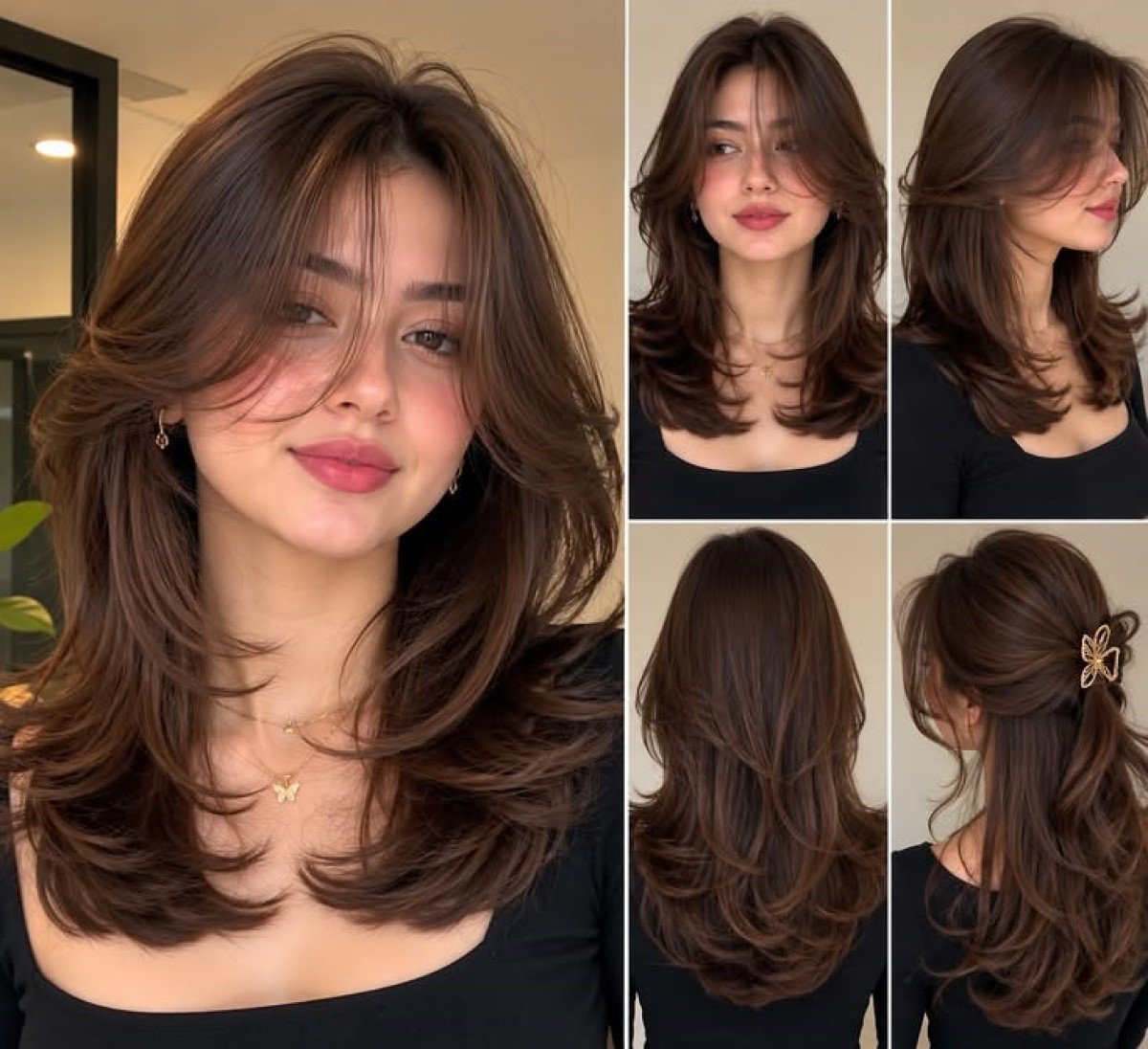
A butterfly haircut is a heavily layered cut built around short, face-framing pieces on top with longer length left underneath, so the shorter layers fan out like wings when the hair moves. It photographs beautifully and gets recommended for almost every hair type online, but the honest version of this cut includes a maintenance rhythm that’s easy to underestimate until you’re the one living with it.
Key Takeaways
- A butterfly cut is short, face-framing layers on top with length preserved underneath, not a full head of even layers.
- It’s a direct descendant of the 1970s shag, with more blended, less choppy layering.
- Wavy to slightly curly hair with medium-to-thick density suits this cut particularly well, since the natural texture does some of the volume work the layers are meant to create.
- The sharp, defined shape typically holds for around 4 to 5 weeks before starting to grow into a softer, shaggier look, with a trim usually needed by 7 to 8 weeks.
- Styling relies on texture and lift, not heavy smoothing; the wrong products can flatten the exact effect the cut is meant to create.
What a Butterfly Cut Actually Is
The defining feature is the contrast: short layers framing the face and crown, blending into much longer length below. Seen from the back, the shorter layers create a soft V-shape or winged silhouette rather than one uniform length.
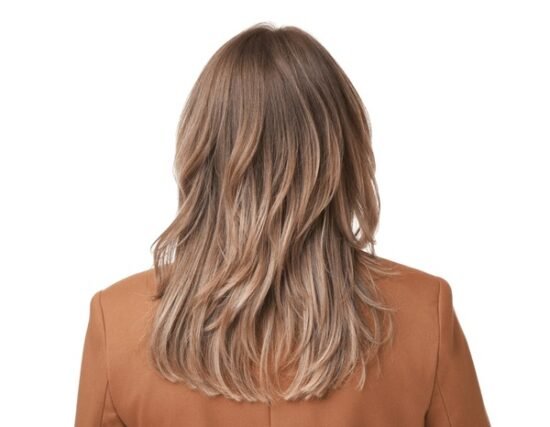
It’s built on the same foundation as a shag, but where a shag is typically choppier and more textured throughout, a butterfly cut blends its layers more smoothly, and keeps more length in the underneath section. The result reads softer and slightly less high-maintenance in the ends, even though the top layers need just as much shaping.
Who This Actually Suits
Wavy to slightly curly hair with medium-to-thick density suits this cut particularly well. That texture and density combination does a lot of the work the layers are designed for, since the natural bend already separates and lifts the hair, and the layers just give it somewhere defined to fall.
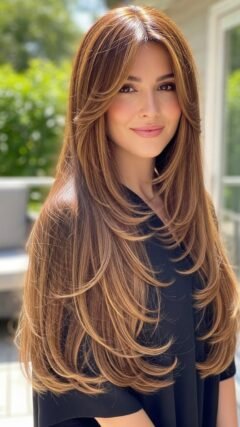
On a wavy, medium-to-thick base, the standard version of this cut works well without much modification. Where adjustment often comes in is the face-framing pieces specifically: the front layers benefit from being cut slightly softer, rather than as short or blunt as some reference photos show, so they fall along the jawline rather than sitting stiffly away from the face. Softer front layers also balance the overall weight better, since sharply cut face-framing pieces can look disconnected from the longer length beneath them.
Fine, poker-straight hair can still work, but the layering needs an even lighter hand than on wavy hair, since there’s no natural texture to fall back on if the layers end up too aggressive.
Butterfly Cut vs. Shag vs. Wolf Cut
These three get confused constantly because they share the same layered-family root. The difference is mostly in how choppy the layers are and how much length is preserved.
| Cut | Layer style | Length kept | Best for |
|---|---|---|---|
| Butterfly cut | Blended, face-framing layers on top | Long length preserved underneath | Wanting volume and movement without losing length |
| Shag | Choppier, more textured throughout | Varies, often shorter overall | A more undone, retro-leaning texture |
| Wolf cut | Shag layering combined with a mullet-style shorter crown | Shorter overall, more dramatic contrast | A bolder, edgier version of the same layering idea |
The Maintenance Cycle, Week by Week
This is the part most trend roundups skip entirely, and it’s the part that actually determines whether this cut fits your routine.
| Weeks since cut | What it looks like |
|---|---|
| Weeks 1-5 | Sharp, defined layers; the intended butterfly shape is clearly visible |
| Weeks 6-7 | Layers softening and blending; starting to read as a looser, shaggier version |
| Week 8 onward | Trim needed; without one, the cut reads as grown-out rather than intentionally soft |
The shift happens gradually rather than overnight, which is why the cut can look intentional one week and simply overdue the next: the shortest layers grow at the same rate as the rest, but because they started shortest, they’re the first to lose their distinct shape.
What the Upkeep Costs
| Service | Typical frequency | Price band (US) | Price band (UK) |
|---|---|---|---|
| Initial cut with heavy layering | One-time | $60-$150 | £40-£100 |
| Face-framing layer trim | Every 7-8 weeks | $30-$70 | £20-£50 |
| Full re-shape (all layers) | Every 4-6 months | $60-$150 | £40-£100 |
Prices vary considerably by salon tier, city, and stylist experience; treat these as planning bands rather than quotes.
Styling It: What Actually Works
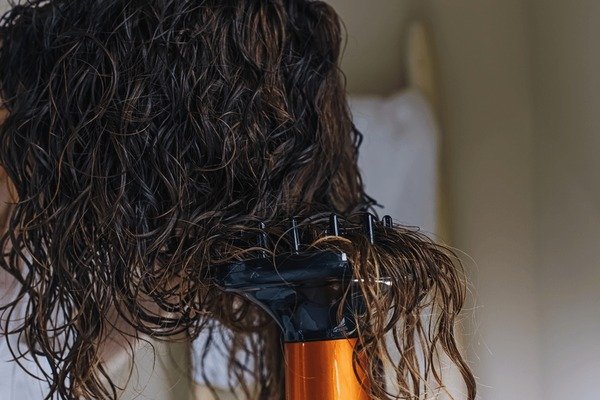
The tools and products that work best for this cut are built around texture and lift, not smoothing. A texturizing sea salt spray applied to damp hair, followed by blow-drying with a diffuser rather than a flat round brush, brings out the separation the layers are designed to create without flattening the volume.
On days without full styling, a lightweight leave-in cream applied to damp hair and left to air-dry controls frizz without weighing the layers down. This matters specifically for this cut: a heavier cream or oil applied at the roots tends to flatten the exact lift and separation that makes the layers read as intentional rather than simply long hair with some length taken off.

- Apply texturizing sea salt spray to damp hair, focusing on the mid-lengths and ends rather than the roots.
- Blow-dry using a diffuser attachment, lifting at the roots and encouraging the natural wave pattern rather than pulling it straight.
- On non-styling days, use a lightweight leave-in cream on damp hair and let it air-dry for a softer, lower-effort version of the same shape.
- Avoid heavy oils or creams at the roots, since they flatten the lift the layers are meant to create.
If you’re also thinking about a colour change alongside the cut, see our guide on transitioning hair colour from summer to fall for how to time both without overloading your hair with chemical and heat processing at once.
The Trade-Off Nobody Mentions
The layering that makes this cut look voluminous and soft is the same thing that makes it a genuine time commitment. A 7-to-8-week trim cycle is tighter than most low-maintenance cuts, and skipping a cycle doesn’t just mean slightly longer hair; it means the cut visibly shifts from styled to shaggy, which some people like as a deliberate in-between look and others find looks simply overdue for a trim.
If a strict 7-to-8-week schedule doesn’t suit your routine, ask your stylist for a slightly softer version of the layering. A less aggressive initial cut extends the sharp-looking window and delays the point where it starts reading as grown-out.
Frequently Asked Questions
How long does a butterfly haircut hold its shape?
The sharpest, most defined version of the cut typically holds for around 4 to 5 weeks. After that, the layers start softening and blending into a shaggier look, with a trim generally needed by 7 to 8 weeks to restore the original shape.
Does a butterfly haircut work on curly hair?
Yes, and wavy to slightly curly hair with medium-to-thick density is particularly well suited to this cut, since the natural texture does much of the separating and lifting work the layers are designed for.
What products actually help with styling it?
A texturizing sea salt spray combined with diffuser drying tends to bring out the layering well. On lower-effort days, a lightweight leave-in cream on damp, air-dried hair controls frizz without flattening the volume the way a heavier product would.
How is a butterfly cut different from a shag?
A butterfly cut blends its layers more smoothly and keeps more length underneath, while a shag is typically choppier and more textured throughout, often with an overall shorter length.
Can the face-framing layers be adjusted if they look too harsh?
Yes. Softer, less blunt face-framing layers tend to fall more naturally along the jawline and balance better with the length underneath than a sharply cut version, and this is a common, straightforward adjustment to ask for.
What to Decide Before You Book
If your hair has natural wave and medium-to-thick density, this cut works with what your hair is already doing, and a standard version should suit you well. If your hair is fine or straight, ask for a lighter layering approach. Either way, budget for the 7-to-8-week trim cycle covered above rather than assuming this is a low-maintenance style.

