

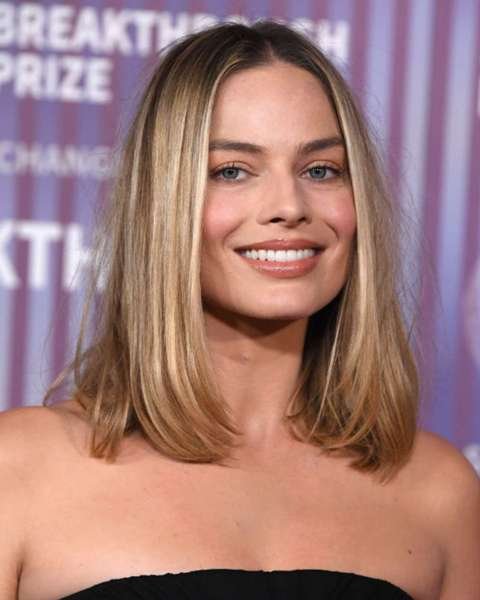
Most summer hair color lists hand you 18 pretty photos and leave you to guess which one actually suits you, what it costs, and how often you’ll be back in the chair. This one doesn’t. Below, every summer hair color idea comes with its undertone match, a realistic maintenance interval, and an honest read on where it can go wrong — because the fastest way to regret a color change is choosing a shade based on a photo of someone with completely different hair chemistry than yours.
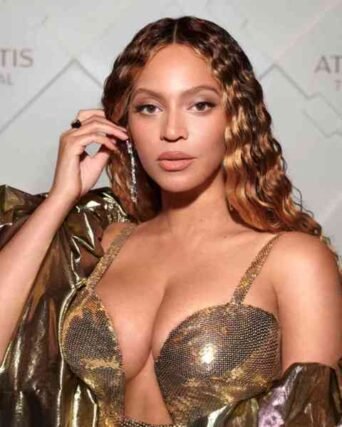
Find Your Shade in 3 Questions
Before you scroll, answer these:
-
What’s your undertone?
Check the veins on your inner wrist in daylight — greenish veins usually mean warm undertones, blue or purple veins mean cool, and if you genuinely can’t tell, you’re likely neutral (which pairs well with almost anything on this list).
-
How often can you realistically get to a salon?
Every 4–6 weeks, every 8–10 weeks, or as rarely as possible?
-
What’s your current hair level?
Colorists describe hair on a 1–10 depth scale (1 = black, 10 = lightest blonde). Going more than 3–4 levels lighter in one visit typically requires multiple sessions — this matters for both budget and hair health.
Match your answers against the table below, then read the full entry for your top pick.
Skin Undertone → Shade Match Table
| Shade | Best Undertone | Maintenance Interval | Good For Beginners? |
|---|---|---|---|
| French Blonde | Warm, Olive | 8–10 weeks | Yes |
| Honey Brunette | Warm, Neutral | 10–12 weeks | Yes |
| Butter Blonde | Warm, Neutral | 8–10 weeks | Yes |
| Bronde | Any | 10–12 weeks | Yes |
| Color Melting | Any | 12–14 weeks | No (technique-dependent) |
| Caramel Balayage | Warm, Olive | 10–14 weeks | Yes |
| Copper Auburn | Warm, Deep | 4–5 weeks | No (fades fastest) |
| Cherry Cola Brunette | Cool, Neutral | 6–8 weeks | Yes |
| Chocolate + Face-Framing | Any | 10–12 weeks | Yes |
| Ash Blonde | Cool, Neutral | 4–6 weeks | No (high upkeep) |
| Golden Money Piece | Warm, Neutral | 12–16 weeks | Yes |
| Amber Auburn Glow | Warm, Olive, Deep | 6–8 weeks | No |
| Sun-Kissed Balayage (dark base) | Any | 14–16 weeks | Yes |
| Rooty Blonde | Any | 12–16 weeks | Yes |
| Champagne Blonde | Fair, Neutral | 8–10 weeks | No |
| Toffee Brown | Any | 10–12 weeks | Yes |
| Pops of Color | Any | 3–4 weeks (semi-permanent) | Yes |
| Gloss-Only Refresh | Any | 6–8 weeks | Yes |
Maintenance intervals are typical ranges based on common colorist scheduling practice, not a guarantee — your water hardness, wash frequency, and starting hair condition all shift these numbers.
Approximate Cost & Session Ranges (US/UK)
| Service Type | Typical US Range | Typical UK Range | Sessions Needed |
|---|---|---|---|
| Single-process (all-over color) | $80–160 | £45–90 | 1 |
| Partial balayage/highlights | $150–300 | £90–180 | 1 |
| Full balayage or color melting | $200–450 | £130–280 | 1–2 |
| Level change of 3+ shades lighter | $300–600+ | £200–400+ | 2–4, spaced weeks apart |
| Gloss/toner refresh only | $40–80 | £25–50 | 1 |
Prices vary significantly by salon tier, region, and colorist experience — treat these as planning ranges, not quotes. Always ask for a written estimate at consultation.
The 18 Shades
1. French Blonde
Multi-tonal, honey-warmed blonde that avoids the flat, single-process look of older “beach blonde” trends. Colorists typically build it using a lowlight-and-highlight combination rather than a single bleach application, which is why it holds its warmth better between appointments than a stark platinum would.
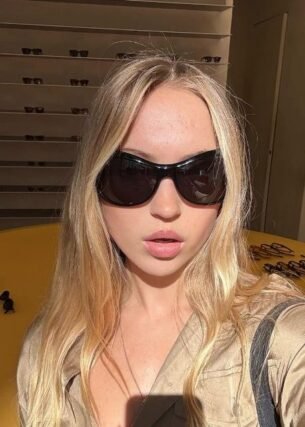
Watch out for: if your colorist uses too cool a toner, French blonde can drift ashy within a few washes — ask specifically for a warm-based gloss at your appointment.
2. Honey Brunette
A common starting point for clients moving on from box-dye dark brown who want warmth without a big commitment. It usually takes one full-foil session plus a root shadow to blend the transition. Because the highlights sit a few levels below true blonde, they grow out softly instead of leaving a visible line.

3. Butter Blonde
Golden and creamy rather than icy — achieved by toning pre-lightened hair with a gold- or honey-based glaze instead of a violet-based one (violet toners are what create ash and platinum results). On fair, cool-undertone skin, that same gold base can occasionally look slightly yellow rather than luminous, so a consultation matters more here than with most other blondes on this list.
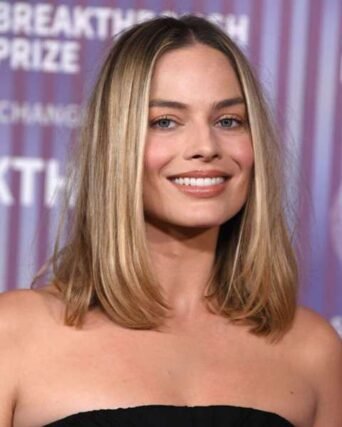
4. Bronde
A darker root deliberately left several levels below the mid-length and end color. Because the whole point is visible contrast between root and length, bronde is one of the most forgiving grow-out shades — some clients stretch appointments to 12+ weeks without it looking unintentional.
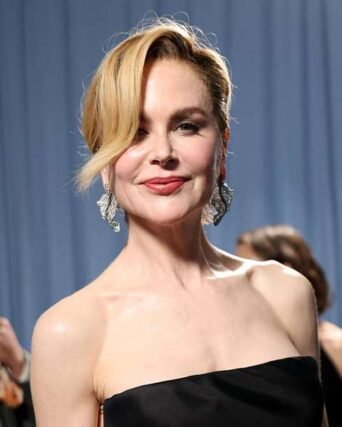
5. Color Melting
This technique layers two to three shades and physically blends them at the point of overlap (colorists often use their fingers or a comb to work the pigments together right at the border), rather than relying on the lightener alone to create a soft edge. It takes longer in the chair than standard balayage — often 30–45 minutes more — but the payoff is a genuinely seamless gradient with no visible stripe.

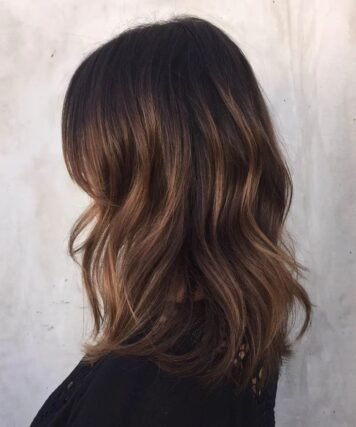
6. Caramel Balayage
Hand-painted, not foiled — the colorist applies lightener directly onto the surface of sections rather than wrapping them, which creates a naturally graduated result. This technique specifically avoids the harder line you’d get from traditional foils, which is why it remains one of the lower-maintenance options on this list.

7. Copper Auburn
Copper fades faster than almost any other tone on this list. Red and orange pigment molecules are physically larger than blue or ash pigment molecules, so they sit less securely in the hair shaft and rinse out with every wash. If you’re going copper, budget for a color-depositing conditioner between salon visits, not just a standard color-safe shampoo.
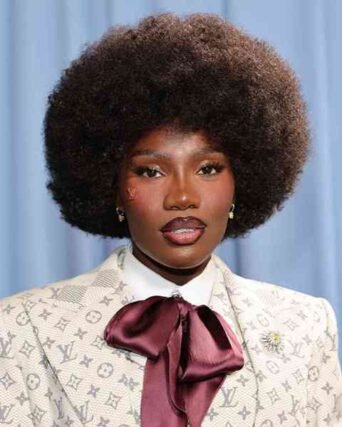
8. Cherry Cola Brunette
A brunette base with a red-wine cast added via a demi-permanent gloss rather than permanent color — which matters, because demi-permanent glosses fade gradually and evenly rather than growing out with a hard regrowth line. That makes this a genuinely lower-commitment way to test a red-toned brunette before going permanent.
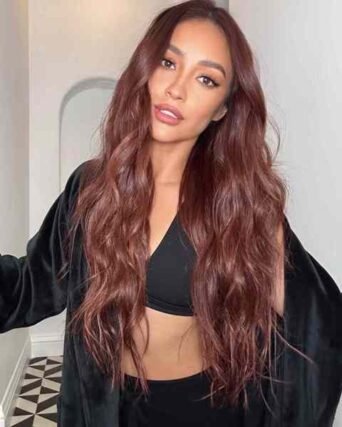
9. Chocolate Brunette with Face-Framing Highlights
If you’re nervous about a full color change, this is the safest entry point on the entire list: only 2–4 pieces around the face are lightened, keeping cost and damage minimal while still brightening your overall look in photos.
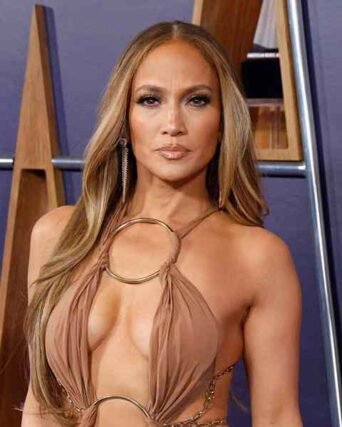
10. Ash Blonde
The highest-upkeep blonde here. Ash tones rely on violet or blue pigment to cancel out warmth, and that pigment is exactly what fades first — which is why ash blonde typically needs a toning refresh every 4–6 weeks, faster than butter or French blonde. On warm-undertone skin, ash can also make complexion look sallow rather than bright, so it’s worth a frank conversation with your colorist before booking.
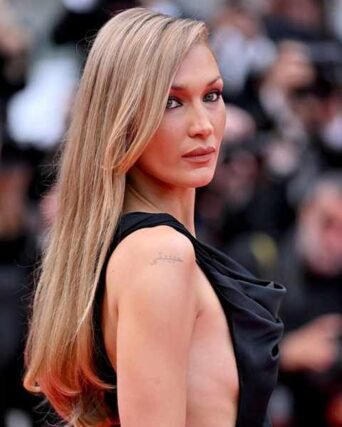
11. Golden Money Piece
A single concentrated panel of lighter color framing the face, left over a darker base — essentially a sample-size version of full highlights. Because only a small section is lightened, this is one of the cheapest ways on this list to brighten your look, and it grows out with minimal visible regrowth since the rest of the hair is untouched.
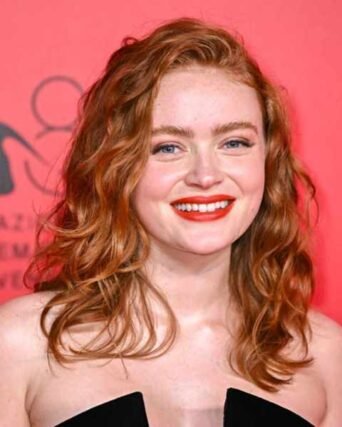
12. Amber Auburn Glow
A warm auburn base with copper highlighting layered through it — a lower-maintenance evolution of the darker burgundy and cherry-cola shades that trended in recent winters. Because it’s still a red-family tone, expect a similarly fast fade rate to copper, just slightly slower since the base color is deeper and less reliant on surface pigment alone.
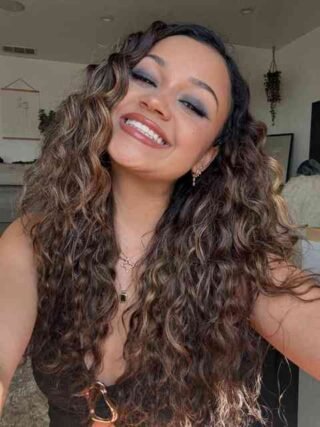
13. Sun-Kissed Balayage on Dark Hair
The lightener is applied only at the ends and around the face, mimicking how hair naturally lifts after a season outdoors. Because so much of the hair is left at its natural level, this is one of the longest-lasting shades on the list — many clients stretch 3–4 months between visits.
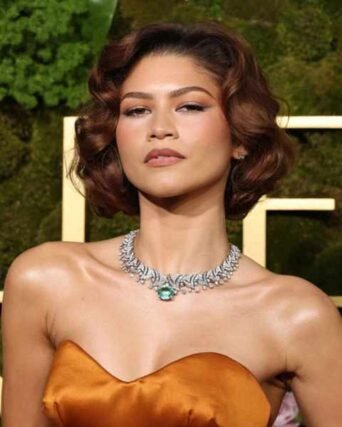
14. Rooty Blonde
An intentionally dark root left to blend into lighter lengths — the opposite of the “no visible roots ever” standard that dominated the last decade. Because a visible root is the entire point, this is arguably the single most forgiving color on this list for anyone who wants to skip appointments without it looking neglected.
15. Champagne Blonde
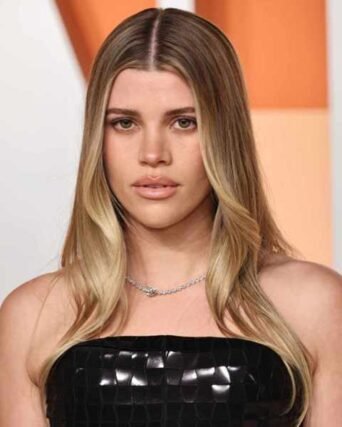
Positioned between platinum and butter blonde — pale but with a touch of warmth rather than stark white. It requires a well-lifted base (usually level 9–10) to read correctly, which means darker starting hair may need 2–3 sessions spaced several weeks apart to get there safely.
16. Toffee Brown
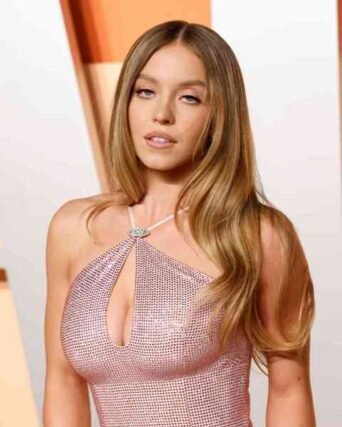
A mid-depth brown with a soft caramel undertone woven through rather than painted in blocks — often achieved with a gloss over natural or slightly lightened brunette hair rather than a full lightening service, making it one of the more affordable options on this list.
17. Face-Framing Pops of Color
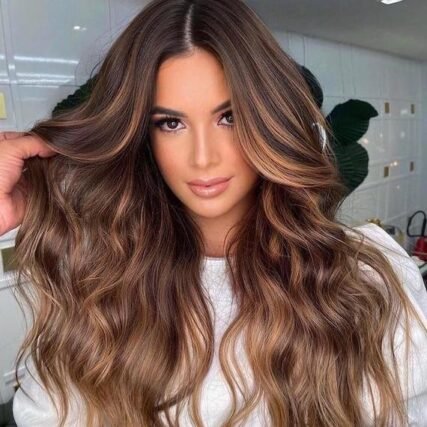
Small streaks of pink, teal, or violet using semi-permanent, direct dye — not permanent color — which is significant because semi-permanent formulas fade out gradually over several weeks rather than leaving a regrowth line, making this the lowest-commitment way to test a bold color on this entire list.
18. Gloss-Only Refresh
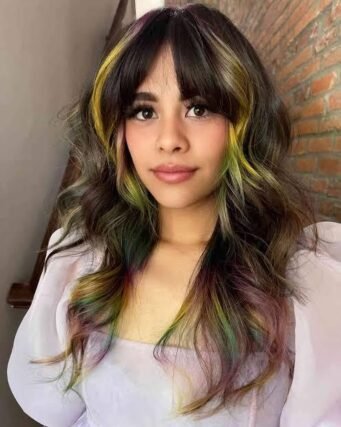
Not a shade change at all — a clear or lightly tinted gloss applied over your natural color to add shine and subtle tonal correction. If you’re not ready for anything above but want your existing color to look noticeably fresher, this is the fastest and cheapest option on the list, typically taking under 30 minutes.
Before You Book: 3 Questions to Ask Your Colorist
-
What level am I starting at, and what level are we targeting?
This tells you directly whether you need one session or several — anything beyond a 3–4 level jump usually isn’t safely done in one visit.
-
Is this permanent, demi-permanent, or semi-permanent color?
This determines both your grow-out timeline and how the color will fade. Permanent fades unevenly with visible regrowth; demi and semi fade out more gradually.
-
What’s the realistic maintenance schedule, and what does it cost per visit?
Compare this against the tables above. If a colorist’s estimate is far outside typical ranges for your service, ask what’s driving the difference — often it’s your starting level or hair density.
A patch test 48 hours before any at-home semi-permanent dye application is worth doing regardless of shade, and any lightening service beyond a couple of levels is worth a professional consultation rather than a DIY attempt — bleach damage is one of the few hair color outcomes that genuinely limits your options afterward.
Quick Reference: Print This Before Your Appointment
- My undertone: ______
- My current level (ask your colorist to confirm): ______
- Realistic salon frequency I can commit to: ______
- Top 2 shade picks from the table: ______ / ______
- Questions to ask: level change needed, color type (permanent/demi/semi), total cost per visit at my maintenance interval
This article provides general information based on common colorist practice and is not a substitute for an in-person consultation. Pricing and timelines vary by region, salon, and hair condition.

