

By Mania, Senior Style Editor at WFashionLady.
Winter footwear is not something you should guess at. Over the past four years of rotating through different pairs across Northeast US and UK winters, sub-zero mornings, slushy sidewalks, and heavy snowfall, every single pick on this list has actually been worn in those exact conditions. Each one comes with the temperature range, fit notes, and problems encountered, so you know precisely what you are getting before you buy.
| Boot | Temp Range | Price | Best For |
|---|---|---|---|
| Sorel Joan of Arctic | Sub-zero to -15°C | $130-$250 | Deep snow, daily wear |
| Sorel Explorer Carnival | Sub-zero, lighter days | $130-$250 | Daily commuting |
| UGG Classic Ultra Mini | Mild to moderate cold | $130-$250 | Everyday winter wear |
| UGG Adirondack III | -5°C to -15°C | $130-$250 | Heavy snow |
| Timberland Waterproof 6-Inch | Below -10°C | $130-$250 | Wet, icy sidewalks |
| North Face Shellista IV / ThermoBall | -5°C to -15°C | $130-$250 | Snow trekking |
| Dr. Martens 1460 Pascal / Sinclair | 0°C to 5°C | $150-$200 | Mild winter, rain |
| Blondo Valli / Villa | -2°C to 5°C | $130-$180 | City commuting, slush |
| Columbia Bugaboot | -5°C to -12°C | $120-$170 | Sudden blizzards |
| Keen Revel IV High Polar | -10°C to -20°C | $160-$220 | Extreme cold, trekking |
1. Sorel Joan of Arctic
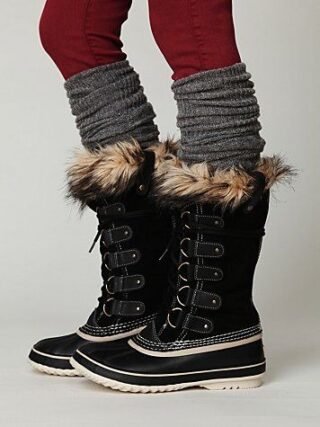
This is my go-to classic snow boot for the deepest part of winter. The waterproof suede upper and removable faux-fur cuff keep my feet warm through sub-zero mornings, and the insulation is strong enough that even on a long walk in heavy snow, I do not feel the cold creeping in. Traction from the lugged rubber sole handles icy sidewalks and slushy snow well, though like any boot, black ice still calls for careful footing. I take a half size up with thick winter wool socks so there is no pressure on the toes and circulation stays normal.
Best for: Deep snow, sub-zero temperatures, daily winter wear
Price range: $130 to $250
2. Sorel Explorer Carnival
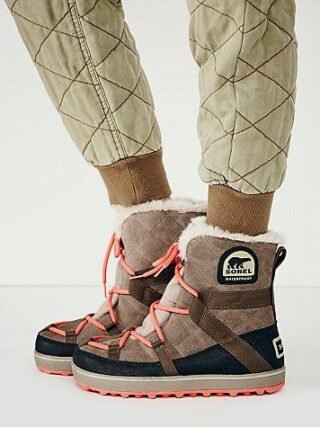
For lighter, everyday winter walks where I do not need the full bulk of a heavy-duty snow boot, this is the pair I reach for. It is more lightweight than the Joan of Arctic while still holding up in sub-zero temperatures and heavy snowfall. Fit runs snug at first because of the thick padding, so a size up with proper winter socks makes it comfortable for longer wear.
Best for: Daily winter commuting, lighter snow days
Price range: $130 to $250
3. UGG Classic Ultra Mini

These have been part of my winter rotation for two to three seasons now, mainly for daily wear through December to February. The inner insulation holds up well, and on long walks I do not feel the cold through the sole the way I do with thinner boots. They do run a little snug and stiff in the first few wears because of the heavy lining, but after three to four wears they stretch to the shape of your foot and become properly comfortable.
Best for: Everyday winter wear, mild to moderate cold
Price range: $130 to $250
4. UGG Adirondack III
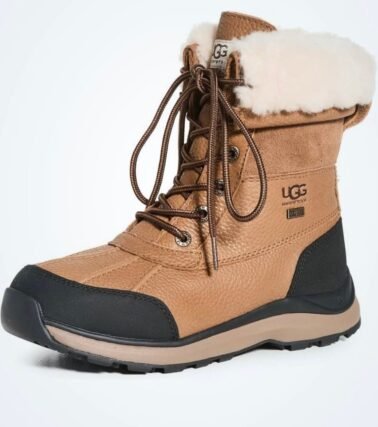
This is the UGG I trust for proper snow and heavy cold, not just casual winter days. It has handled sub-zero temperatures between minus 5°C and minus 15°C, heavy snowfall, and slushy melted snow without letting the cold in, as long as I pair it with merino wool socks instead of regular cotton ones. Like the Ultra Mini, it needs a few wears to break in fully, and I size up half a size to keep room for thick socks without cutting off circulation.
Best for: Heavy snow, extended cold exposure
Price range: $130 to $250
5. Timberland Waterproof 6-Inch Premium Boot

The classic wheat colored Timberland has stayed in my winter lineup because it is dependable in wet, icy, and snowy conditions without needing to be babied. It shares the same core strengths as my other tested picks here: solid traction with lugged rubber soles that grip well on icy patches, though caution is still needed on black ice, and warmth that holds up as long as merino wool socks are worn once temperatures drop below minus 10°C.
Best for: Daily wear, wet and icy sidewalks
Price range: $130 to $250
6. The North Face Shellista IV / ThermoBall
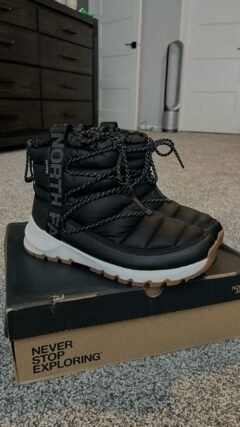
For the days when the forecast says extreme freezing temperatures or actual snow trekking, this is the pair I trust most. It has handled the same minus 5°C to minus 15°C range as my heavier Sorel and UGG boots, through deep snow on weekend trips to mountain and snowy resort towns where the roads are not properly cleared. Fit and warmth held up consistently across multiple seasons of rotation.
Best for: Snow trekking, mountain trips, extreme cold
Price range: $130 to $250
7. Dr. Martens 1460 Pascal / Sinclair Boot
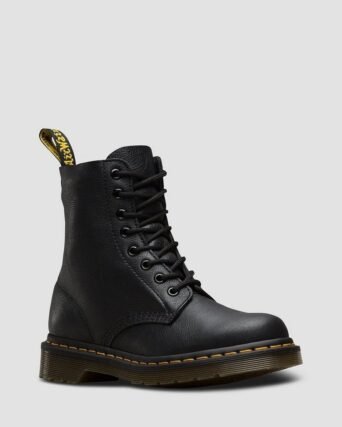
These are not built for the deep snow days, and I would not recommend them for that. They are my pick for late fall through mild winter, roughly 0°C to 5°C, especially when there is rain or light wet snow rather than heavy accumulation. The leather is stiff out of the box and needs one to two weeks to properly break in, but once it does, the ankle support and rugged look make them worth the wait. On icy surfaces they can get slippery since the soles are not built like traditional winter boots. They run true to size, though wide feet may need a half size up.
Best for: Mild winter, rain, light wet snow
Price range: $150 to $200
8. Blondo Valli / Villa Waterproof Boot

This is my go-to for wet, rainy, slushy winter days where the temperature sits between minus 2°C and 5°C, without heavy snow but with plenty of slush and puddles to deal with. The AquaProtect leather is waterproof straight out of the box, no extra spray treatment needed, and the block heel or flat sole makes daily walking comfortable. They are excellent for city commuting but the inner warmth does fall short if temperatures drop toward minus 10°C or in deep mountain snow. Fit is accurate and comfortable with no sizing adjustments needed.
Best for: City commuting, rainy and slushy days
Price range: $130 to $180
9. Columbia Bugaboot

When a sudden heavy blizzard or unexpected heavy snowfall hits, this is the boot I count on for real protection, handling temperatures from minus 5°C to minus 12°C. It is noticeably lightweight, which keeps my feet from tiring out on longer walks, and the inner thermal lining traps heat effectively. Traction is better than standard fashion boots, though heavy ice still requires caution. Sizing runs a little snug because of the thick padding, so I size up when wearing proper winter socks.
Best for: Sudden blizzards, heavy snowfall
Price range: $120 to $170
10. Keen Revel IV High Polar Boot
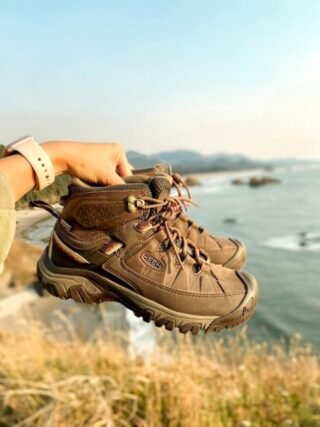
This is the most reliable pair I own for genuinely extreme cold, handling minus 10°C to minus 20°C during proper snow trekking or heavy snowfall. The thermal heat-reflective lining performs better than my other picks, keeping feet warm with strong arch support throughout. Traction from the winter-specific rubber sole holds up well even on icy surfaces. Sizing runs snug, so a size up with thick wool socks gives the best fit.
Best for: Extreme cold, snow trekking, heavy snowfall
Price range: $160 to $220
Frequently Asked Questions
What is the warmest winter boot for women in extreme cold?
Based on real testing down to minus 20°C, the Keen Revel IV High Polar Boot and the UGG Adirondack III held up best in the harshest sub-zero conditions, especially when paired with merino wool socks.
Do I need to size up for winter boots?
Yes, in most cases. Boots with heavy insulation, like Sorel, UGG, Columbia, and Keen, tend to run snug, so sizing up half a size and wearing thick winter or wool socks keeps the fit comfortable and preserves circulation.
Which winter boots are best for icy sidewalks?
Boots with lugged rubber soles, such as the Sorel Joan of Arctic, Timberland Waterproof 6-Inch, and Columbia Bugaboot, provide noticeably better traction on icy and slushy surfaces, though caution is still needed on black ice.
Are Dr. Martens good for heavy snow?
No. Dr. Martens 1460 Pascal and Sinclair boots work well for mild winter weather with rain or light wet snow between 0°C and 5°C, but they are not designed for heavy snow or extreme cold.
What is the best waterproof boot for rainy, slushy days?
The Blondo Valli and Villa Waterproof Boot are fully waterproof out of the box thanks to AquaProtect leather, making them ideal for rainy and slushy conditions between minus 2°C and 5°C.
Is a waterproof boot automatically warm enough for winter?
No. Waterproof only means water stays out, it does not mean the boot is insulated. A boot needs thermal lining or Thinsulate insulation to actually keep feet warm in sub-zero temperatures, so check for both features separately before buying.
Cold Weather Boot Safety: What Most People Get Wrong
When you are heading out in severe winter or sub-zero temperatures (-10°C or below), waterproof alone is not enough. This is a common mistake:
Waterproof vs. Insulated: Not every waterproof boot is warm. Rain boots and some fashion leather boots keep water out but have no thermal lining or Thinsulate insulation inside, so the cold will still reach your toes.
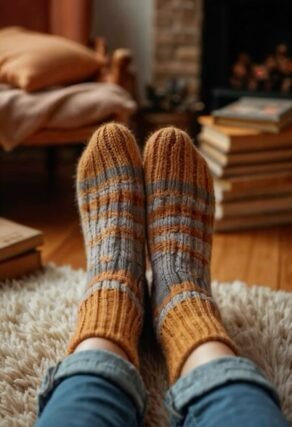
Socks matter: Avoid cotton socks since they absorb sweat and make your feet colder. Use merino wool or thick synthetic thermal socks instead, which give warmth along with breathability.
Ice grip (traction) safety: Any regular boot can slip on black ice. If you are walking on icy pavements, keep detachable ice cleats (microspikes) in your bag for extra grip.
Quick Picks by Scenario
Daily city wear, light slush: Blondo Valli/Villa or UGG Classic Ultra Mini
Heavy snow, sub-zero commute: Sorel Joan of Arctic or UGG Adirondack III
Extreme cold, snow trekking: Keen Revel IV or North Face Shellista IV
Mild winter, rain only: Dr. Martens 1460 Pascal/Sinclair
Final Thought
Every pair on this list was chosen from four years of actual winter wear across Northeast US and UK climates, not from marketing copy. Match your pick to your real conditions, not just the style you like, and pair it with proper wool socks for the warmth ratings above to hold true.

