


Most trouser fit guides online are written for men’s suits, and they don’t hold up for women’s trousers. The waist-to-hip ratio is different, the rise sits differently, and the exact thing that makes women’s trousers gape at the back waist is barely mentioned anywhere. This is a fit guide built around how women’s trousers actually behave.
Key Takeaways
- The waistband should sit flat against your body with no gap, but you should still fit one to two fingers inside it comfortably.
- Back waist gaping is a fit issue, not a sizing issue. It happens when the waist-to-hip ratio of the trousers doesn’t match yours, and going up or down a size rarely fixes it.
- The seat (hip area) should show a smooth line with no pulling at the pockets and no bagginess. Pocket “bowing” means it’s too tight; loose fabric bunching means it’s too big.
- Rise (the distance from waistband to crotch seam) is largely about where on your body the trousers sit, not about fit being right or wrong.
- US and UK sizing differ by roughly four sizes at the same body measurements — always check a brand’s own size chart before assuming.
The Waist: What “Fits” Actually Means

The waistband should sit flat against your body all the way around, with no visible gap at the back and no digging in at the front. A widely used rule of thumb among tailors and fit guides, though not tied to any single official standard, is fitting one to two fingers inside the waistband comfortably, without it being loose enough to slide down or so tight it leaves a mark.
A waistband that stands away from your lower back while sitting flat at the front is the single most common fit complaint in women’s trousers, and it isn’t usually solved by buying a smaller size.
Why Trousers Gape at the Back Waist
This happens because of the difference between your waist measurement and your hip measurement, known as your waist-to-hip ratio. Trousers are cut to a standard ratio that assumes a certain amount of difference between the two. If your ratio is larger than what the trousers are cut for, meaning your hips are proportionally larger relative to your waist than the pattern assumes, the waistband has to be cut wide enough to fit over your hips, which leaves it loose at the smaller waist behind you.
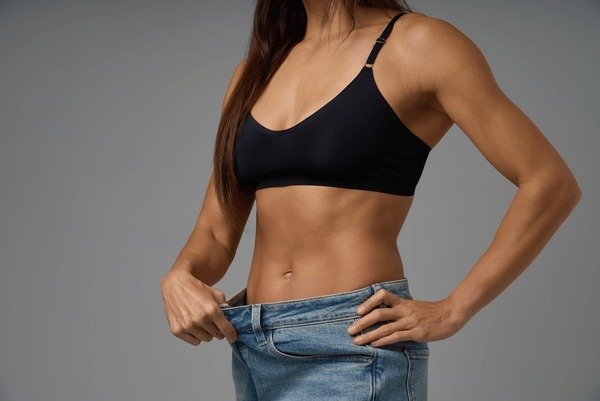
As noted above, this isn’t fixed by sizing down, since a smaller size assumes a smaller hip too.
This showed up firsthand with a pair of loose, baggy-style jeans from Zara. The hip and thigh fit well, exactly as intended for that silhouette, but the back waistband gapped noticeably. Sizing down wasn’t the answer, since the roomier cut through the hip was the actual reason for buying that style in the first place. A tailor took in the back waistband alone, for around $30 with a three-day turnaround, and the rest of the fit was left untouched. That’s a fairly small, targeted alteration, and it’s a useful example of the general rule above: baggy and wide-leg cuts are especially prone to this, because the wider hip allowance is built into the style, which makes the waist-to-hip mismatch more likely to show up than it would in a slimmer cut.
| What you’re seeing | Likely cause | What actually helps |
|---|---|---|
| Gap at the back waistband, front fits fine | Waist-to-hip ratio wider than the cut assumes | Tailoring to take in the back waist only, not a smaller size |
| Pockets pulling open (“bowing”) | Too tight through the hip/seat | Size up, or a style cut fuller through the hip |
| Excess fabric bunching at the seat | Too loose through the hip/seat | Size down, or tailoring to take in the seat |
| Waistband digs in when sitting | Waist too tight, or rise too low for your torso | Size up, or try a higher-rise style |
The Hip and Seat: What to Actually Look For
The fabric across the hip and seat (the curved area under the seat, not just the hip bones) should follow the body’s shape smoothly. Two visible problems tell you the fit is off in opposite directions:
Too tight: the front pockets pull open slightly, sometimes called “pocket bowing,” and horizontal stress lines appear across the front of the hip.
Too loose: visible extra fabric bunches at the seat, and the overall silhouette looks baggier than the style is meant to.
A widely used physical check, again a rule of thumb rather than an official measurement standard: you should be able to pinch about half an inch (roughly 1 to 1.5cm) of fabric on each side of the hip. Less than that suggests the trousers are too tight; noticeably more suggests they’re too loose for that cut.
Rise: Where the Trousers Actually Sit
Rise is the distance from the top of the waistband to the crotch seam, and it determines whether trousers sit at the natural waist, slightly below it, or on the hips.
| Rise type | Where it sits | Best suited to |
|---|---|---|
| High rise | At or above the natural waist | Tucked-in tops, a more structured silhouette |
| Mid rise | Just below the natural waist | Most versatile for both tucked and untucked styles |
| Low rise | On the hips, below the natural waist | Casual styles, worn with cropped or fitted tops |
Rise is largely a style and comfort preference rather than a right-or-wrong fit question. The one genuine fit issue with rise is a waistband that digs in when sitting; if that happens consistently across a low-rise cut, a higher rise on your torso shape is usually the more comfortable choice rather than a different size in the same cut.
US to UK Sizing: What Changes When You Shop Across Markets
Trouser sizing adds a layer of confusion on top of fit, because US and UK numeric sizes don’t match. A US size 8 is typically a UK size 12, following the standard US+4=UK conversion for women’s clothing. For a full breakdown by size and measurement, see our US to UK clothing size conversion chart, which includes the same conversion in inches and cm.
Brand variation matters more for trousers than for most other garments, because rise and hip cut vary significantly between brands even at the same labelled size. A size that fits well at one retailer can run noticeably tighter or looser through the hip at another, even within the same country’s sizing system.
A Fit Problem That Shows Up After Washing, Not at Purchase
Fit issues don’t always show up in the fitting room. A pair of light denim cropped stretch trousers from Roman, roughly 3% elastane according to the label, fit well when new: flat waistband, no pulling at the seat. After the second wash, the waist and seat had noticeably loosened and no longer held their original shape. A tailor took in both the waist and seat for around $15, a slightly larger fix than the Zara jeans since two areas needed adjusting rather than one.
This is worth knowing before buying anything with a high stretch content: stretch fabrics are prone to loosening with wash and wear in a way that rigid fabrics generally aren’t, so a fit that feels correct on the first try isn’t guaranteed to stay that way. Washing in cold water and avoiding the tumble dryer slows this, but doesn’t prevent it entirely on fabric with a high stretch percentage, and in this case the change was already noticeable after only two washes.
A Quick Fit Check You Can Do at Home
- Put the trousers on and check the waistband first: flat all the way around, no gap at the back, one to two fingers of ease.
- Check the front pockets for pulling or bowing, which signals too tight through the hip.
- Pinch the fabric at the side of the hip; roughly half an inch on each side is the target.
- Sit down. The waistband shouldn’t dig in, and the seat shouldn’t strain or pull.
- If the back waist gaps but everything else fits, that’s a tailoring fix, not a sizing one.
When to Size Up, Size Down, or Get Tailoring Instead
Size up if the hip or seat feels tight, if pockets are pulling open, or if the waistband digs in while sitting.
Size down if there’s visible excess fabric bunching at the seat with no tightness anywhere else.
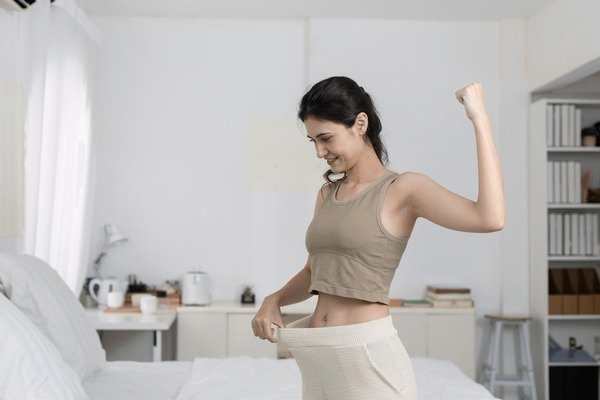
Get tailoring instead of changing size if the waist gaps at the back but the hip and seat fit well. This is specifically a waist-to-hip ratio mismatch, and a tailor can take in the back waistband without touching the rest of the fit. It’s a relatively small, inexpensive alteration compared to the cost of returning trousers that fit everywhere except one small area.
Frequently Asked Questions
Does this happen more with certain fabrics or cuts?
Yes. Baggy, wide-leg, and high-waisted styles show back-waist gaping more often than slim or mid-rise cuts, because they’re built with more hip allowance, which widens the gap between the waist and hip cut. Stretch fabrics add a separate issue: they can loosen after washing even when the original fit was correct, which shows up as the same symptom but isn’t a sizing or cut problem at all.
How do I tell if it’s a hip-ratio issue or a rise issue?
Check where the gap shows up. If the back waistband stands away from your body while the hip and seat fit well, that’s the waist-to-hip ratio described above. If the waistband digs in specifically when sitting, or sits somewhere on your torso that feels wrong regardless of gapping, that’s more likely a rise issue, and a different rise height is worth trying before any tailoring.
Can tailoring fix a gaping waistband, and is it expensive?
Yes, in most cases. A tailor can take in the back waistband alone without touching the rest of the fit. It’s typically a small, inexpensive alteration; a comparable fix on baggy jeans cost roughly $30 with a three-day turnaround, well below the cost of replacing the garment entirely.
What to Check First
The waistband is the fastest diagnostic: flat, no back gap, one to two fingers of ease. If that’s the only problem and the hip fits well, it’s a tailoring fix rather than a different size, as covered in the step-by-step check above.

