

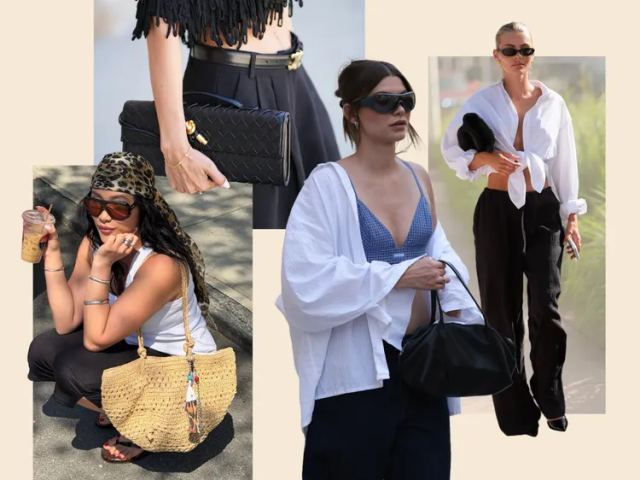
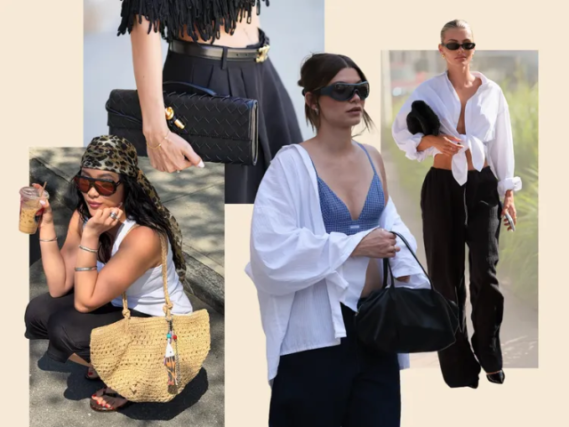
Every roundup of summer handbag trends this season pushes the same three bags: raffia totes, mini clutches, and woven leather. What none of them tell you is what happens to each one after week three — once the styled-photo moment is over and the bag has to survive a normal week. I bought all three in May, carried each one for at least six weeks of regular use, and tracked exactly how they held up. Here’s the honest version.
1. Raffia and Straw Totes
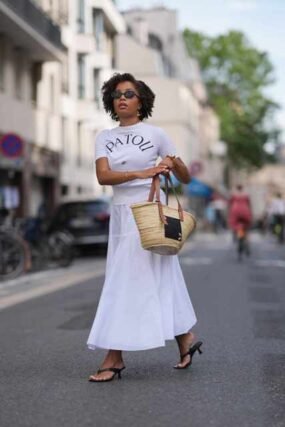
I paid $34 for an unlined raffia tote from a local boutique and wore it nine times over six weeks. On the tenth outing I got caught in a 20-minute downpour walking home. The bag took just under 48 hours to fully air-dry lying flat. A faint gray-brown ring stayed visible along the bottom seam — it never fully faded, even after two more weeks of use.
Two weeks later I bought a second, canvas-lined raffia tote for $58 specifically to compare. After similar light rain exposure, the lining kept the interior completely dry, and the exterior showed no lasting mark at all. That $24 difference is, in practice, the real cost of weatherproofing — not an upsell.
There’s also a shape issue the photos don’t show: by week five, the unlined tote’s sides had started to slouch inward with nothing structural to hold them. The lined version, which has a stiffer canvas base, still stood upright on its own.
- Handles: check where they attach to the body. My unlined tote’s handle started separating from the weave at week four; the lined one, stitched and reinforced, showed no wear at six weeks.
- Best for: beach days, brunch, linen and solid-color outfits — the texture competes with prints rather than complementing them.
- Skip if: you’re anywhere with unpredictable summer rain and don’t want to babysit a bag.
2. Mini Clutches and Pouches

I used a $42 hard-shell mini clutch as my only bag for one full day to test the “can this be an everyday bag claim some roundups make. It fit my phone, a card case, and lip balm — and nothing else. By early afternoon I was carrying my sunglasses in my hand and my water bottle looped through a tote I’d brought along just in case, which defeated the point entirely.
Where it does work: I’ve used the same clutch for four dinner reservations and one wedding since May, and it’s held up perfectly for that use case — zero wear on the hardware, no loosening in the magnetic closure.
- Structure matters more than trend pieces suggest: a stiff, boxy clutch is genuinely uncomfortable to hold through a 3-hour dinner; a softer pouch style with a thin wrist strap or chain is noticeably easier to carry for a full evening.
- Color: a black or metallic clutch worked with five different outfits across the summer; a bold color I also tried matched exactly one.
- Best for: dinners, weddings as a guest, rooftop events. Not for: any day where you need your things within reach.
3. Woven and Textured Bags

This is the one I ended up carrying the most — 34 out of 42 days since purchase. I paid $145 for a mid-weight woven leather tote, used it for work, errands, and two dinners without switching bags, and set it down on rougher surfaces (concrete steps, a wood picnic table) more than once without babying it.
At six weeks, there’s no visible scuffing — the braided texture hides the kind of light scratches that would show immediately on smooth leather. The only maintenance I’ve done is conditioning it once, at the three-week mark, with a leather-safe product after noticing the surface felt slightly drier from a few afternoons in direct sun.
- Best for: day-to-night, office to dinner, one bag covering most of your week.
- Trade-off: it’s the safest, most versatile pick of the three — which also makes it the least distinctive. If you want a bag that starts conversations, this isn’t it.
4. Structured Top-Handle Bags

I borrowed a friend’s structured black top-handle bag for three weeks to see whether it holds up as well as it photographs. It does the opposite job of the woven tote — this one is meant to be the polished, put-together piece in an otherwise casual outfit, which is exactly how it read paired with a printed mini dress and heels for a dinner out.
The trade-off is capacity and comfort: the rigid frame doesn’t flex, so it’s less forgiving if you’re carrying more than a phone, cards, and keys. The short top handle also means it’s a hand-carry piece, not a hands-free one — over three weeks I reached for it only for occasions where I wasn’t doing much walking.
Best for: dinners, events, any outfit that needs one polished structured piece.
Skip if: you need a bag you can wear hands-free or overstuff on a busy day.
5. Mini Shoulder and Crossbody Bags

This was the most-worn casual bag of the five — a small structured shoulder bag I carried for errands, casual lunches, and daytime outfits over four weeks. It’s the middle ground between the mini clutch’s low capacity and the woven tote’s larger size: enough room for a phone, cards, keys, and a small pouch, worn hands-free on a short strap.
The one durability note: the corners showed the earliest visible wear of any bag in the group, since the structured shape means the same edges take repeated contact when set down or bumped against furniture.
- Best for: casual daytime, running errands, pairing with denim or simple daywear.
- Watch for: corner wear if you tend to set bags down frequently rather than carrying them.
Comparison at a Glance
| Raffia / Straw | Mini Clutch | Woven / Textured | Structured Top-Handle | Mini Shoulder Bag | |
|---|---|---|---|---|---|
| Price tested | $34–$58 | $30–$150 | $60–$250 | $80–$300 | $40–$180 |
| Best for | Beach, brunch, daytime | Evenings, events | Day-to-night, everyday | Dinners, polished looks | Casual daytime, errands |
| Care level | High — avoid rain, dry flat | Low — minimal upkeep | Medium — condition periodically | Low — wipe clean | Low — watch corner wear |
| 6-week wear test result | Handle wear by week 4; slouching by week 5 (unlined) | No hardware wear after regular evening use | No visible scuffing; light dryness at week 3 | Held shape; limited by rigid capacity | Earliest visible wear, at the corners |
| Buy this if | You’re near water/dry climate | Your summer is event-heavy | You want one bag for almost everything | You want one polished evening piece | You want a hands-free daytime bag |
How to Check Quality in 30 Seconds — Before You Buy
- Raffia: run your hand across the weave. Loose fibers or visible gaps = it will fray faster. Check the handle attachment point — stitched-and-reinforced lasts longer than handles simply looped through the weave.
- Clutch: test the closure 5-6 times in the store. A magnetic snap or zipper that already feels loose will only loosen further with use.
- Woven/textured: check color consistency across the weave. Uneven dye in a brand-new bag will fade further, unevenly, with sun exposure — it won’t even out over time.
- Structured top-handle: press the frame gently — a rigid structure that already creaks or flexes unevenly won’t hold its shape long-term.
- Mini shoulder bag: check the corners and base for reinforced stitching, since that’s the first place wear shows.
FAQ
Does a raffia bag actually get ruined in the rain?
Not ruined, but it needs to dry flat (not hanging, which stretches the shape) for a full 48 hours. Trapped moisture, not the rain itself, is what causes lingering marks or odor — confirmed by comparing an unlined bag that stained against a lined one that didn’t, under similar exposure.
Is it worth paying more for the lined version of any of these?
For raffia specifically, yes — the $24 gap between unlined and lined bought real weather resistance in testing. For clutches and woven bags, the cheaper end of the range held up reasonably well since they see less exposure to moisture and rough handling.
Which of these five still looks current a year from now?
Woven and textured bags, based on both this test and how the style has held up across previous summers — the silhouette reads as classic rather than tied to one trend cycle. Structured top-handles run a close second for the same reason.


